Full Asphalt Shingle Roof Replacement Done Right
A roof that's showing its age isn't just an eyesore - it's a liability. Curling shingles, worn granules, and compromised flashing all add up to one thing: water finding a way in. This homeowner knew it was time, and we got to work on a full asphalt shingle replacement from the ground up.
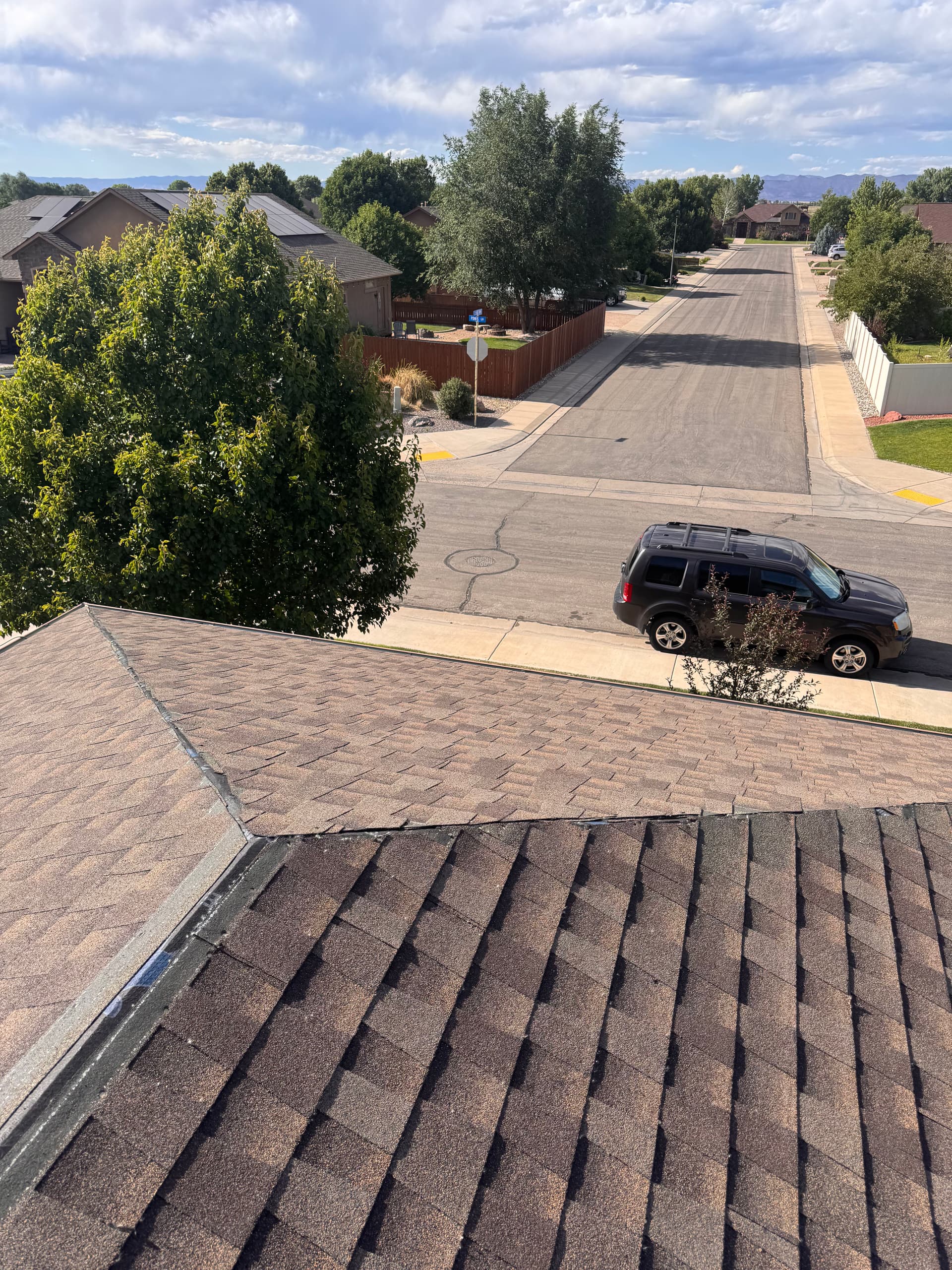
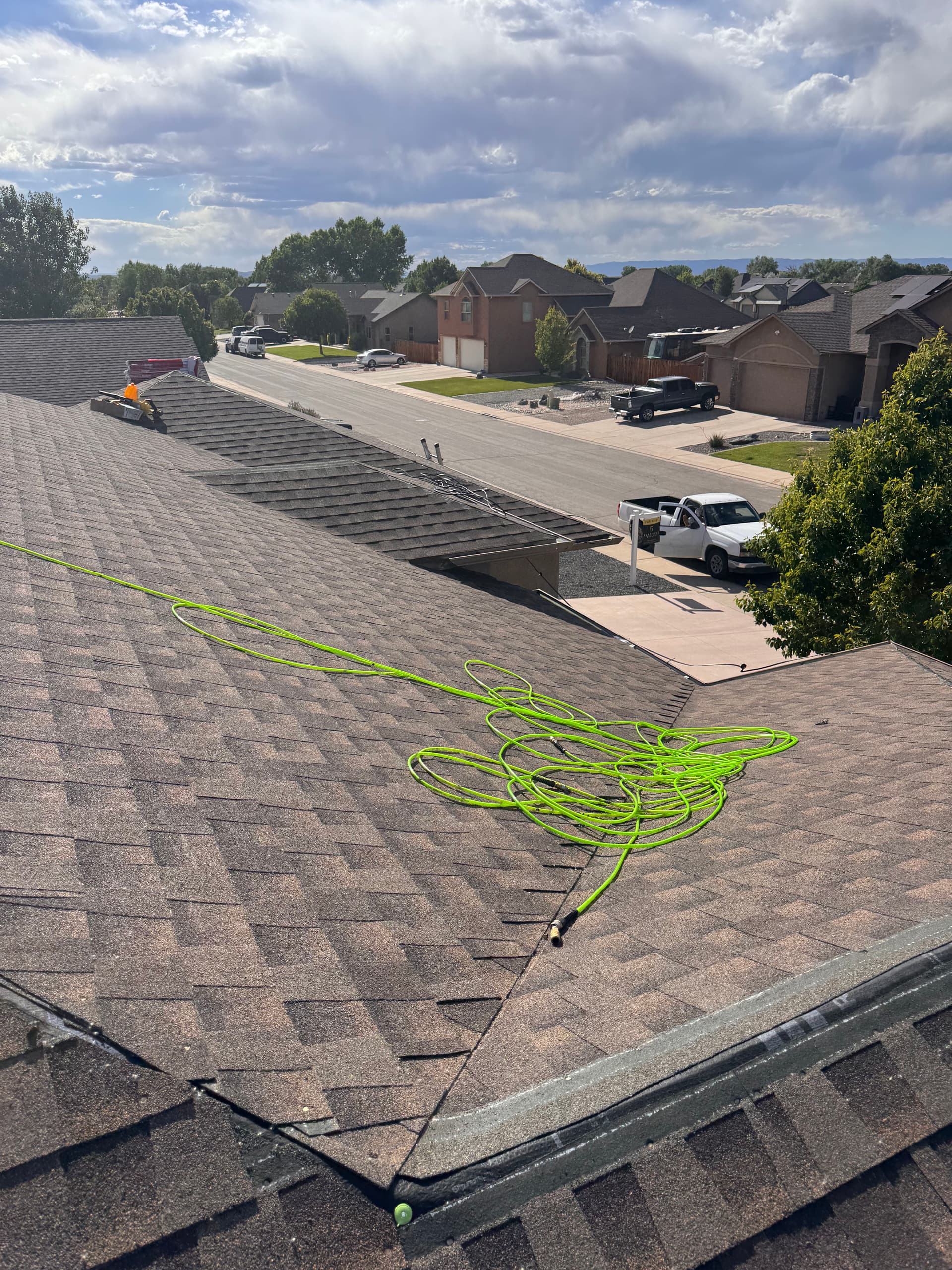
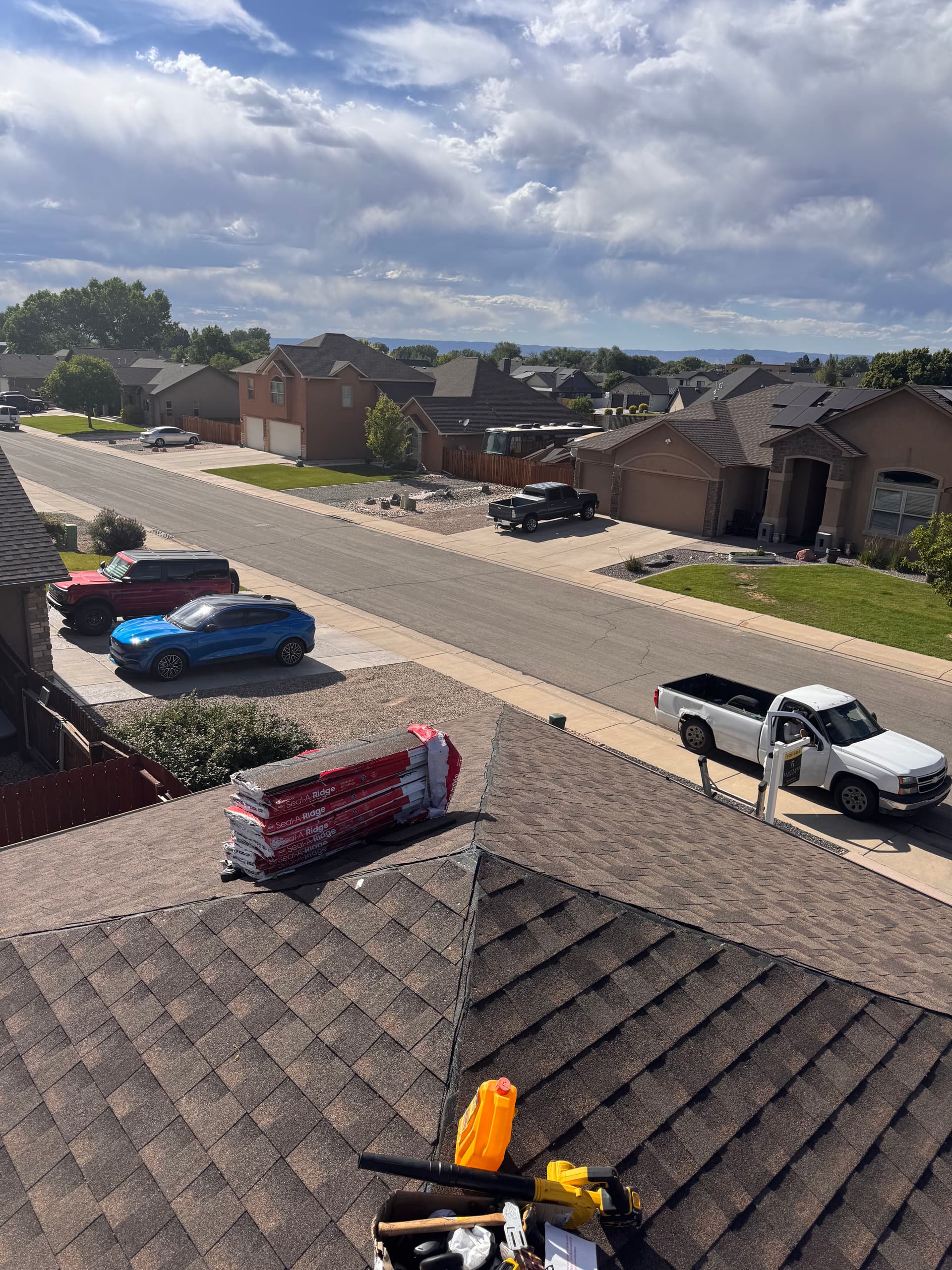
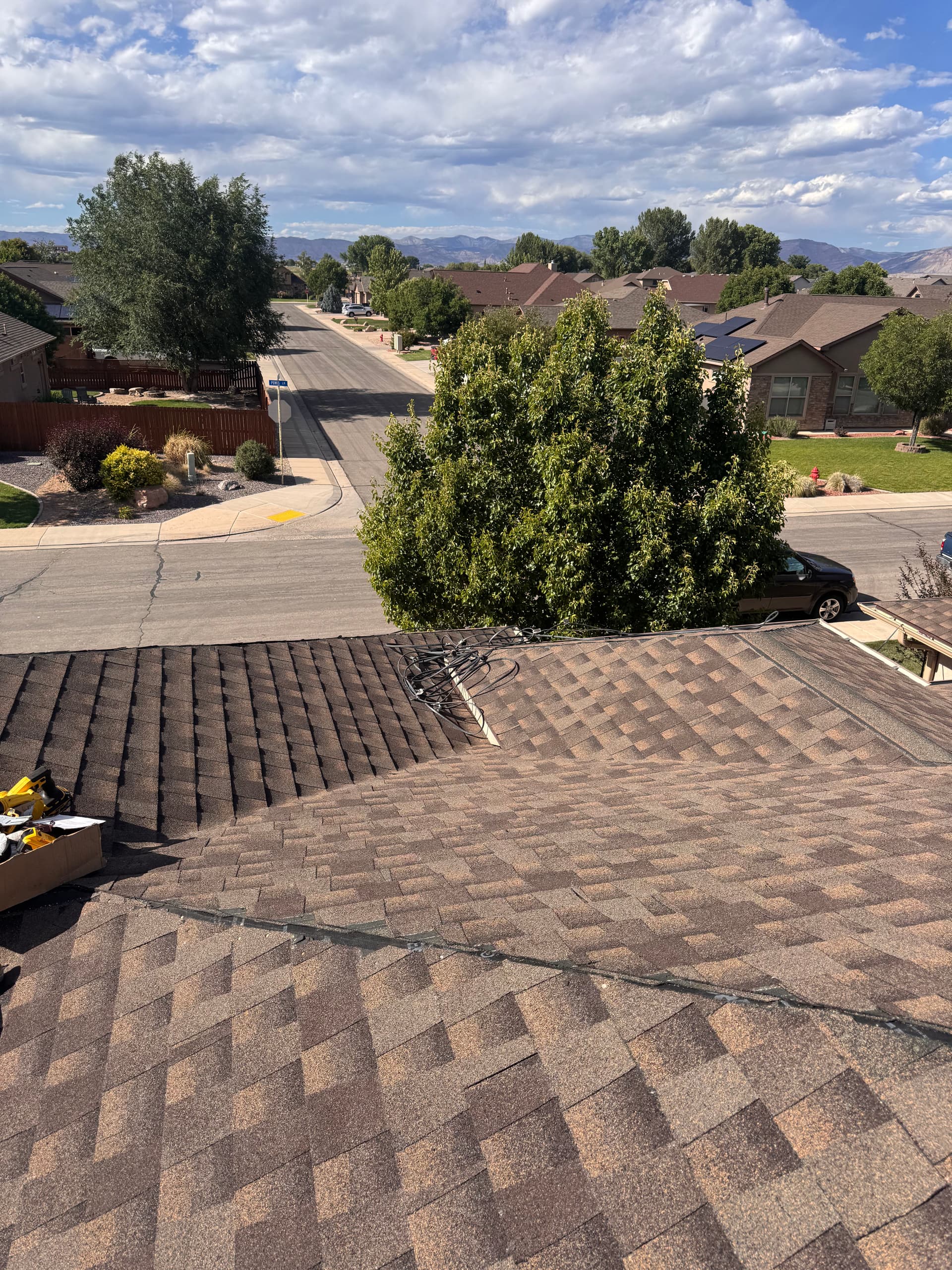
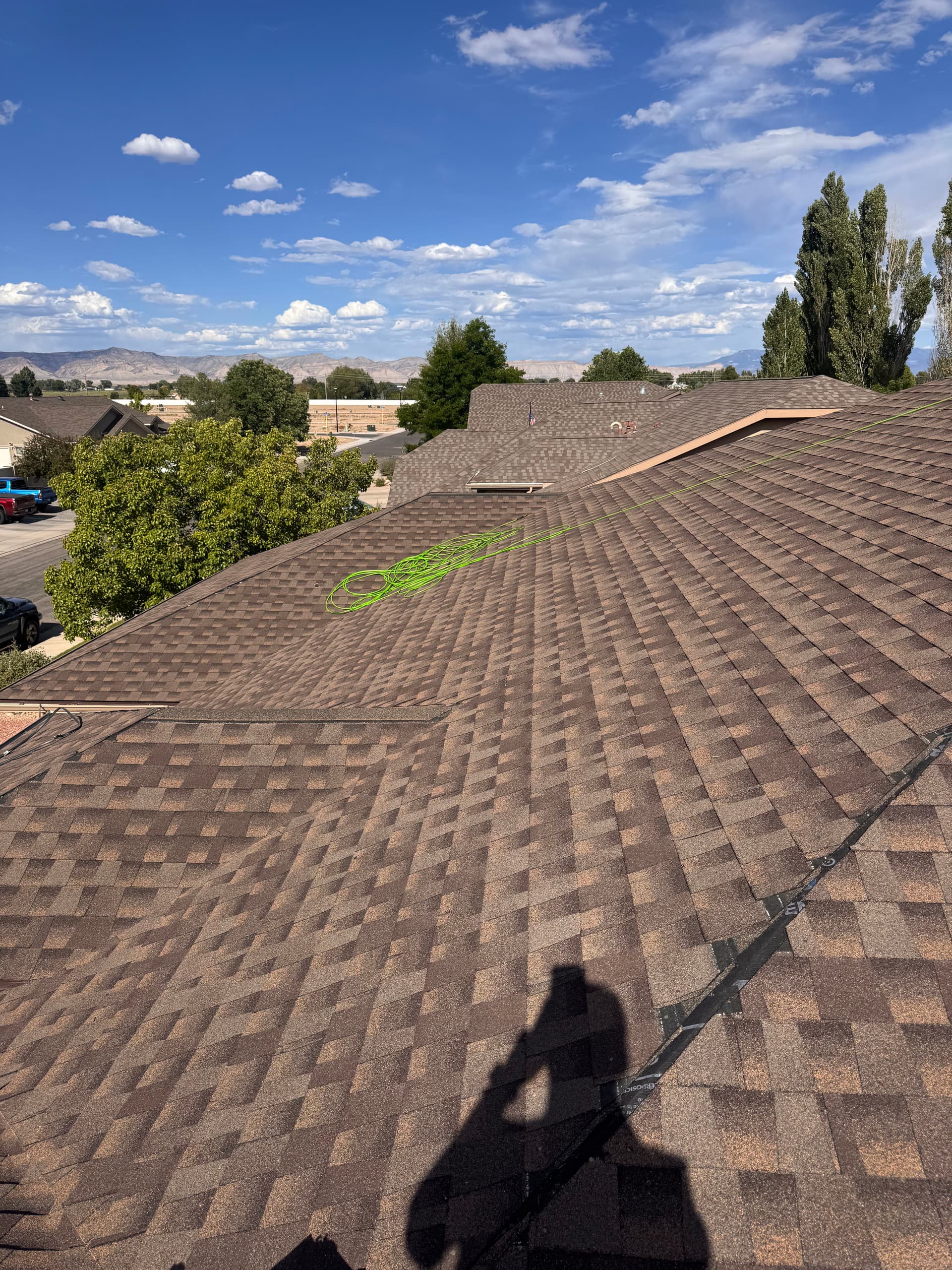
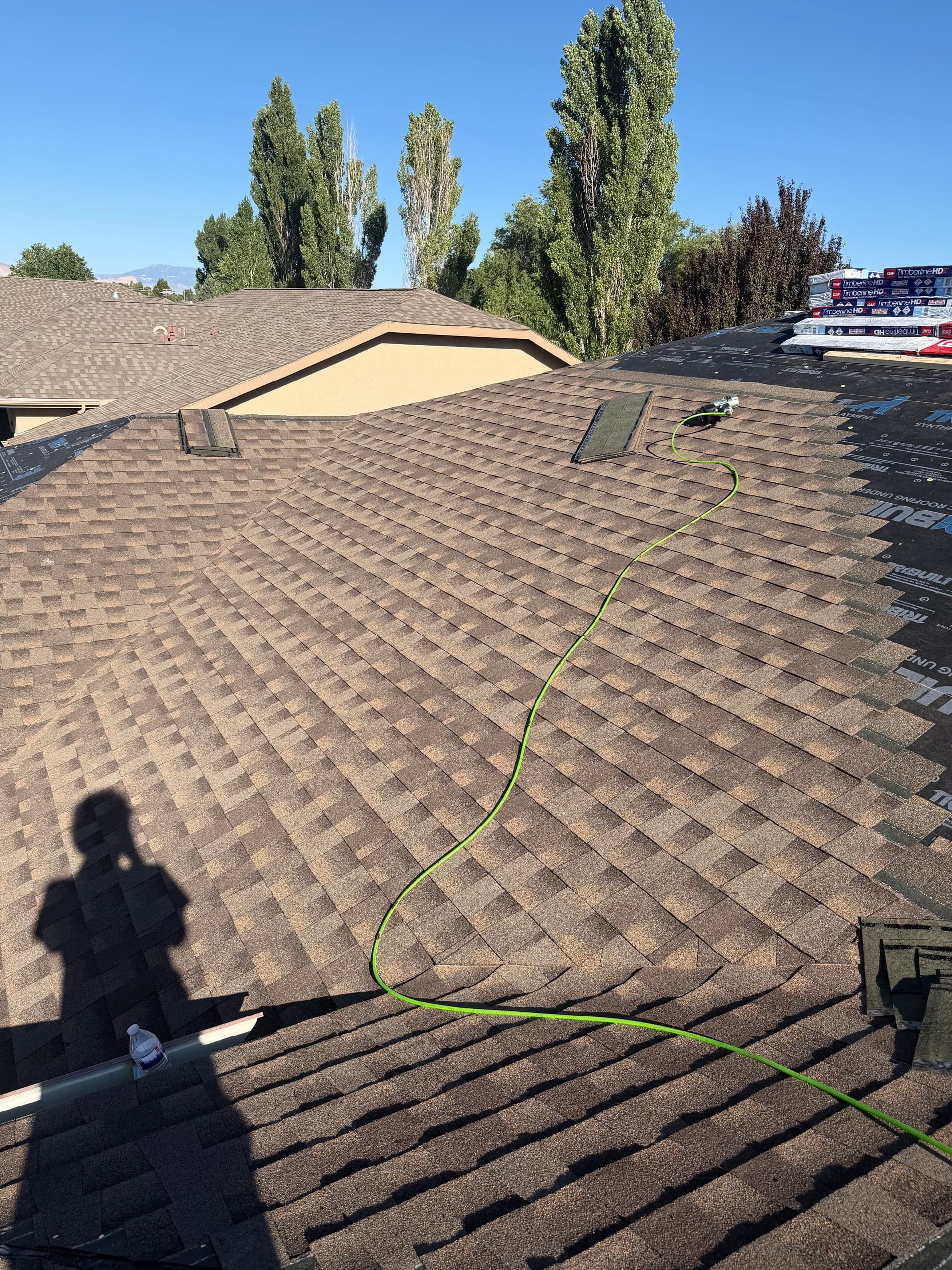
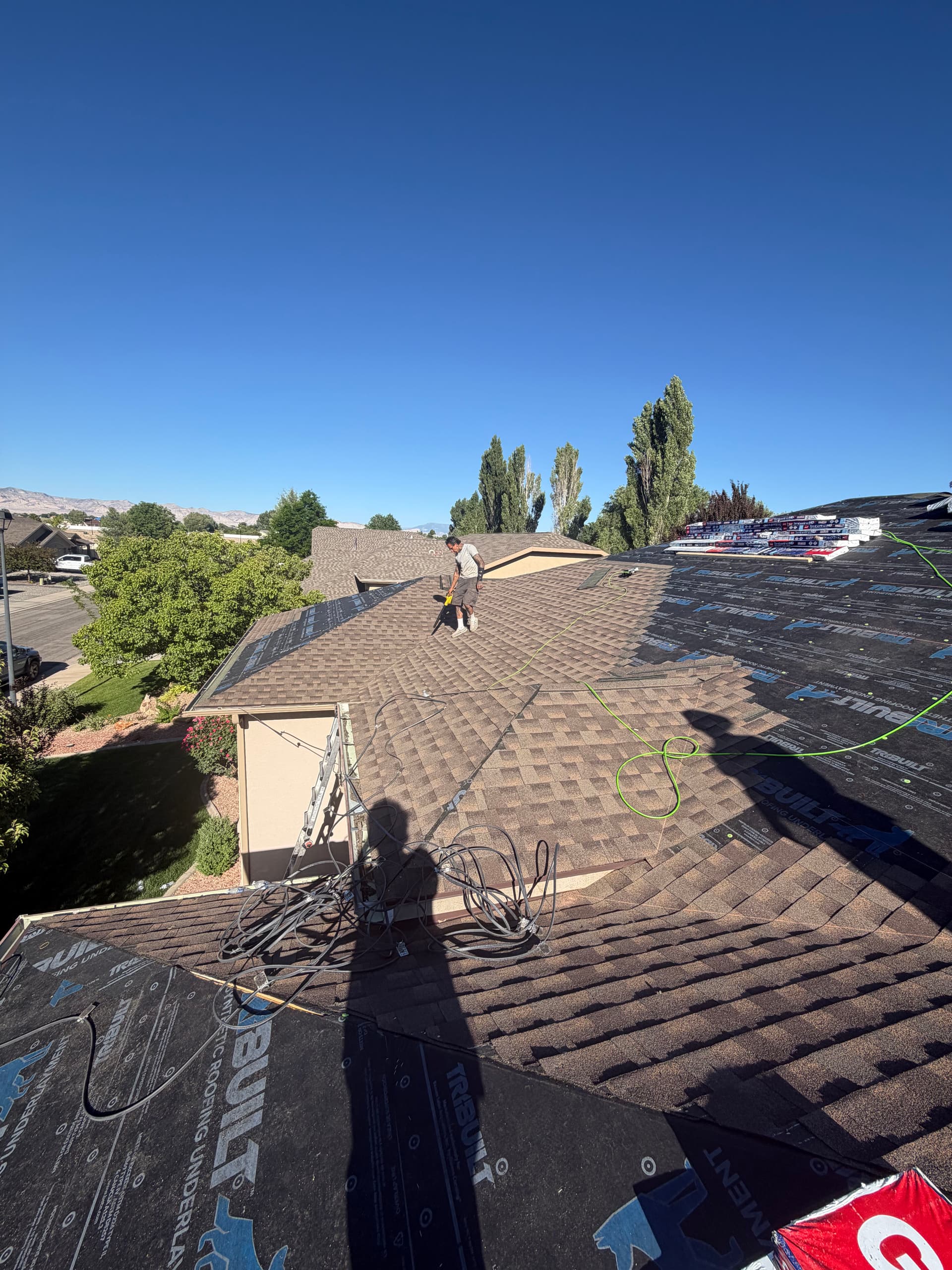
Here's what we were working with - an older roof that had run its course. Before a single new shingle went down, we made sure the decking was prepped and a proper underlayment was in place. You can see the TruBuilt synthetic roofing underlayment rolled out across the deck mid-install. That layer matters. It's what sits between the sheathing and the shingles, giving you a secondary barrier against moisture if anything ever gets past the outer surface.
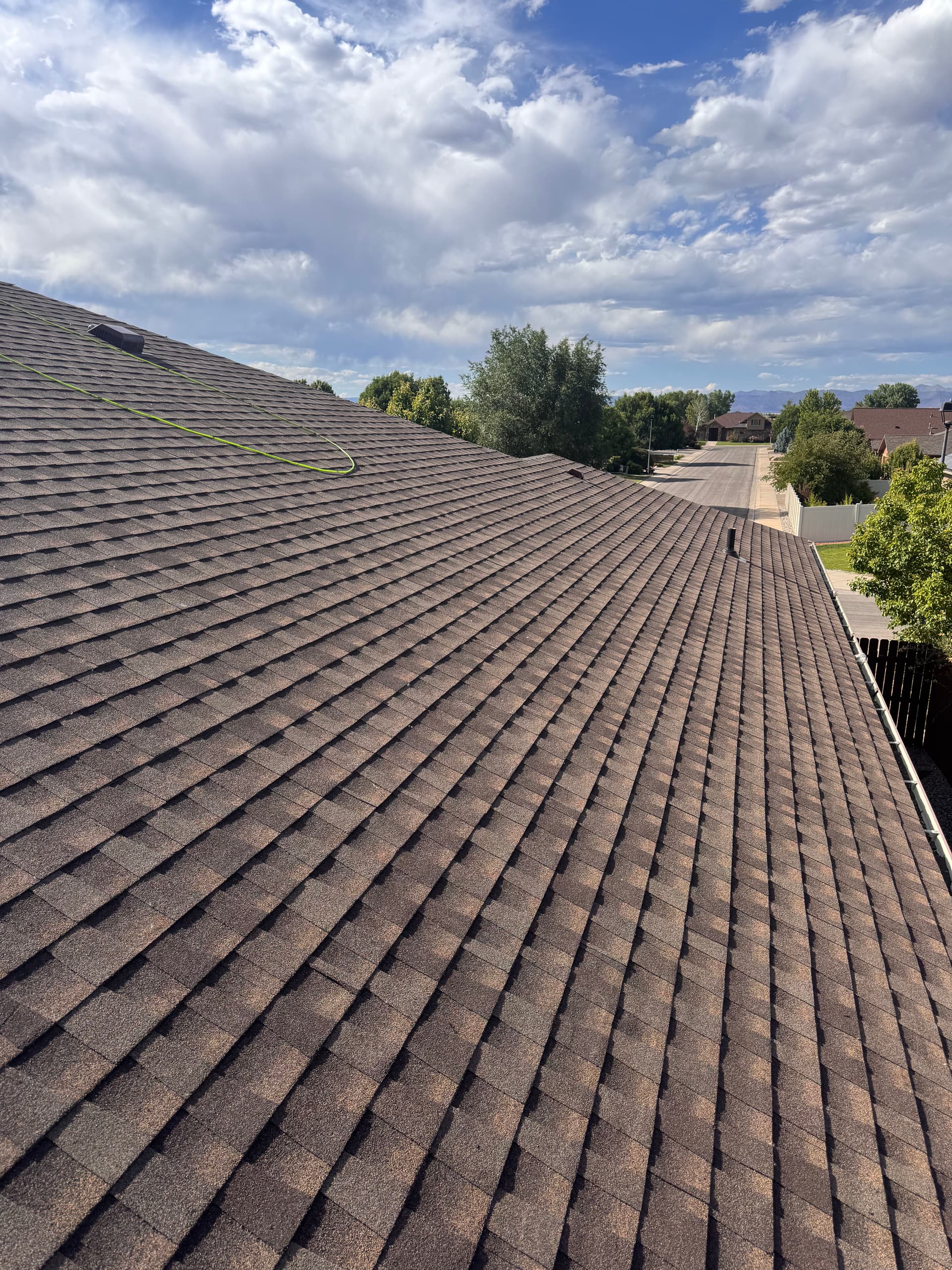
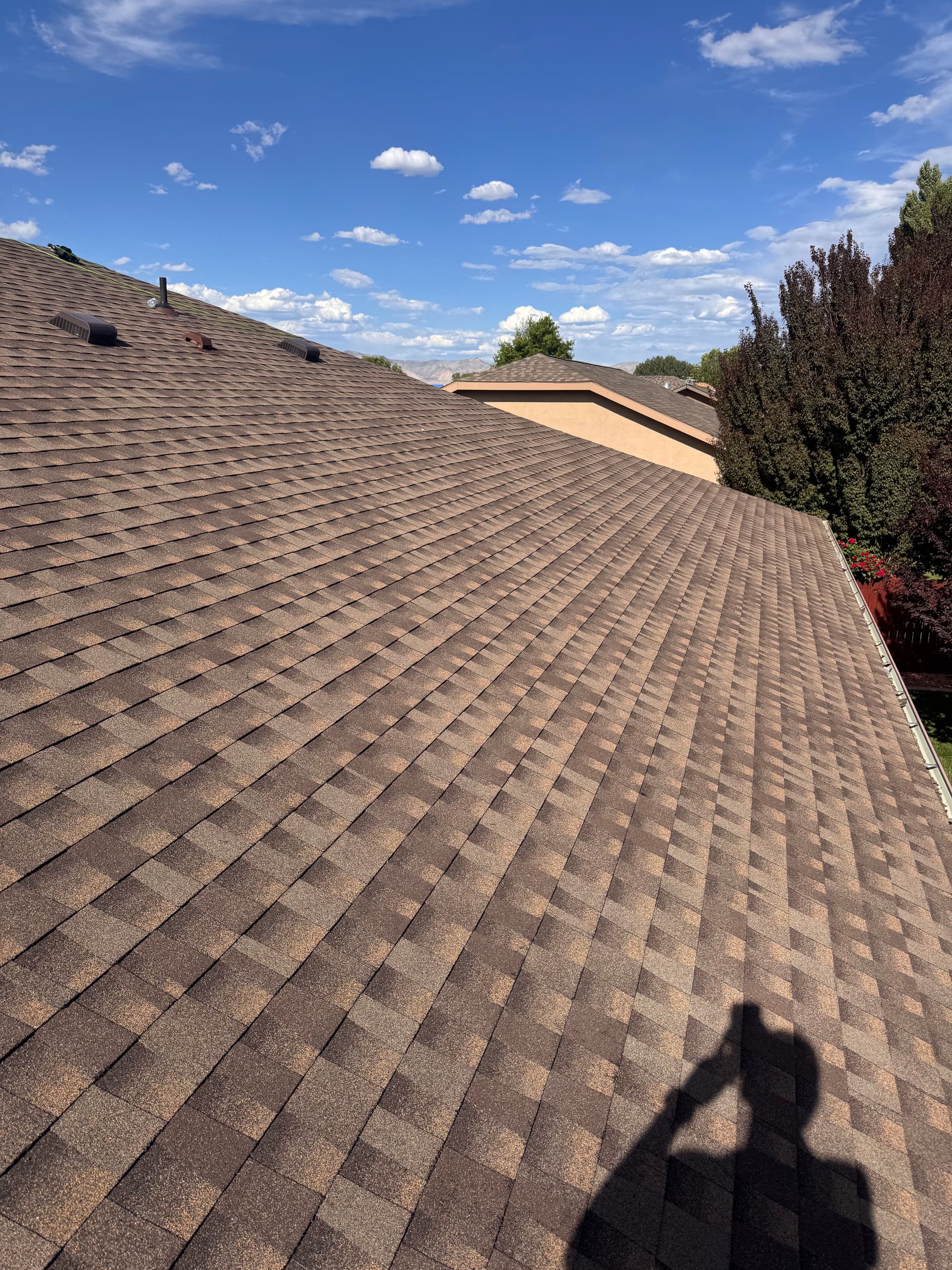
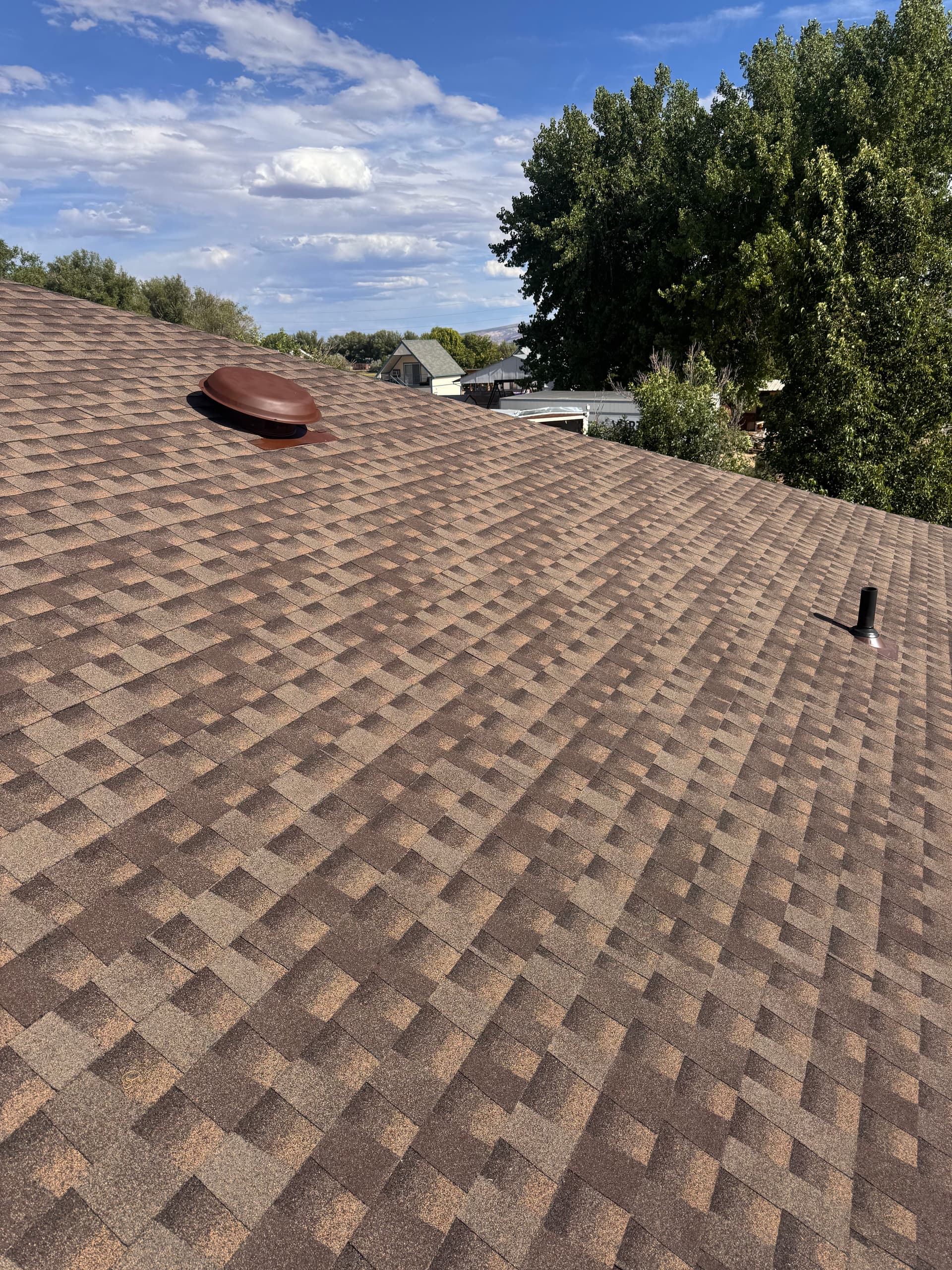
The homeowner picked a warm brown shingle color that honestly works really well with the home. But beyond looks, the real win here is the coverage. Every course laid out tight and even, the valleys clean, and all the penetrations - vents, pipe boots - properly sealed and integrated. That's the stuff that separates a roof that lasts from one that causes problems in a few years.
We use Timberline HD shingles on jobs like this, and you can spot the stacks staged on the roof during installation. They're a proven product - tough granule surface, good wind resistance, and a profile that looks sharp when it's all said and done. Pair that with solid installation practices and you've got a roof built to handle whatever gets thrown at it.
Every roof replacement we do gets the same level of attention regardless of size. Details like proper nail placement, consistent exposure, and clean ridge work - those aren't extras, they're the baseline. If your roof is starting to show its age, that's worth taking seriously before it becomes a much bigger problem.