Asphalt Shingle Roofing With Zero Shortcuts
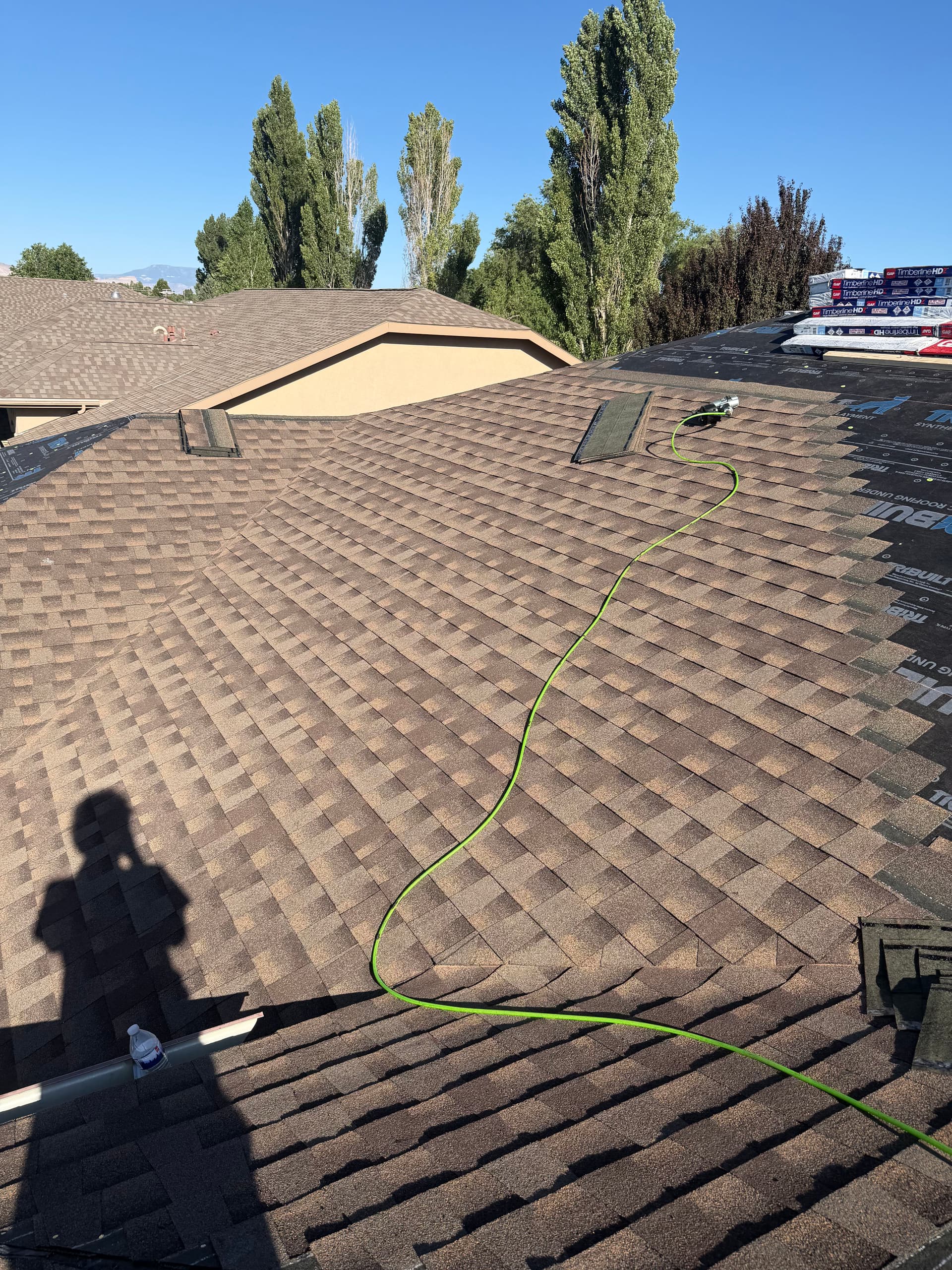
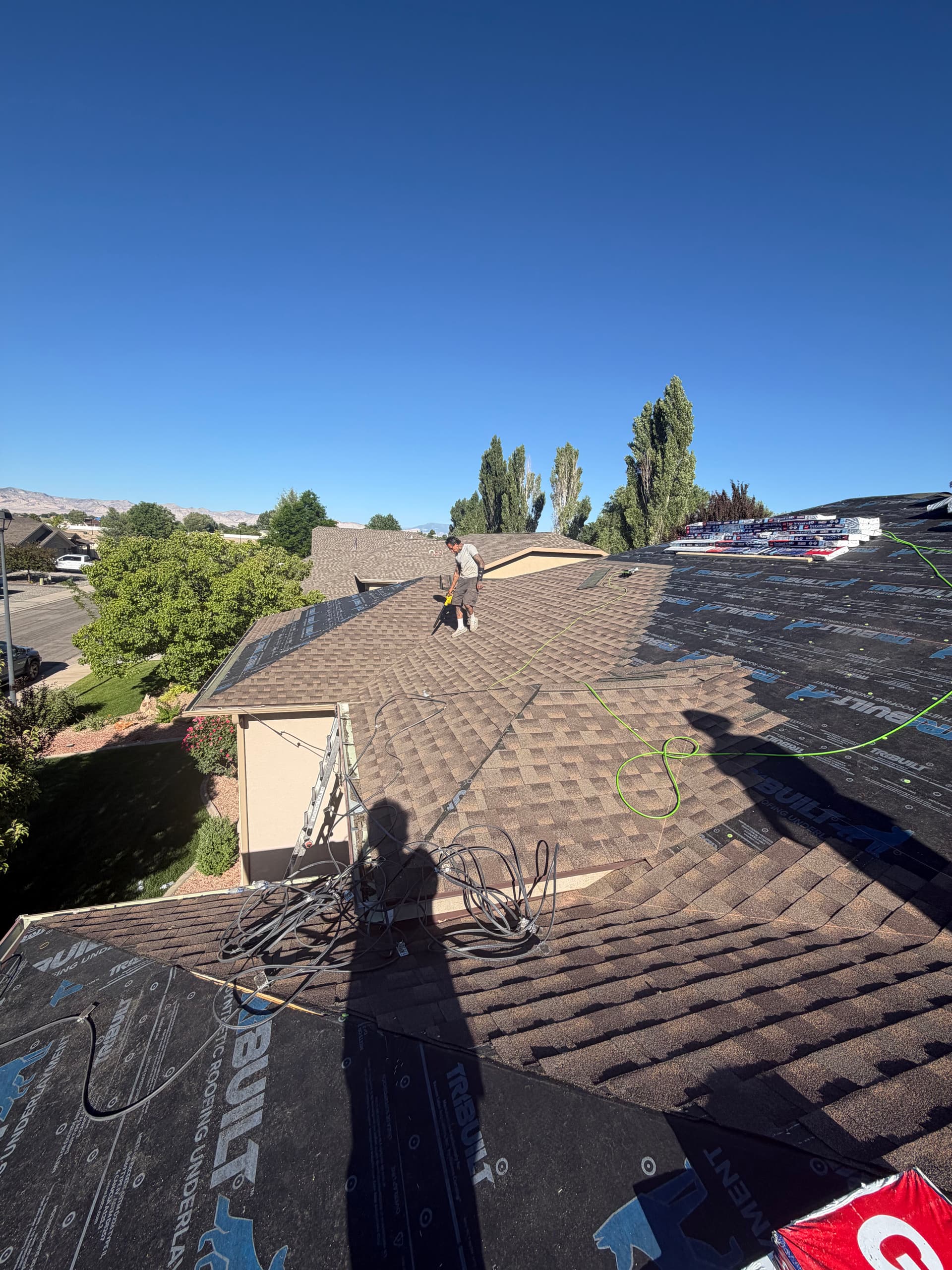
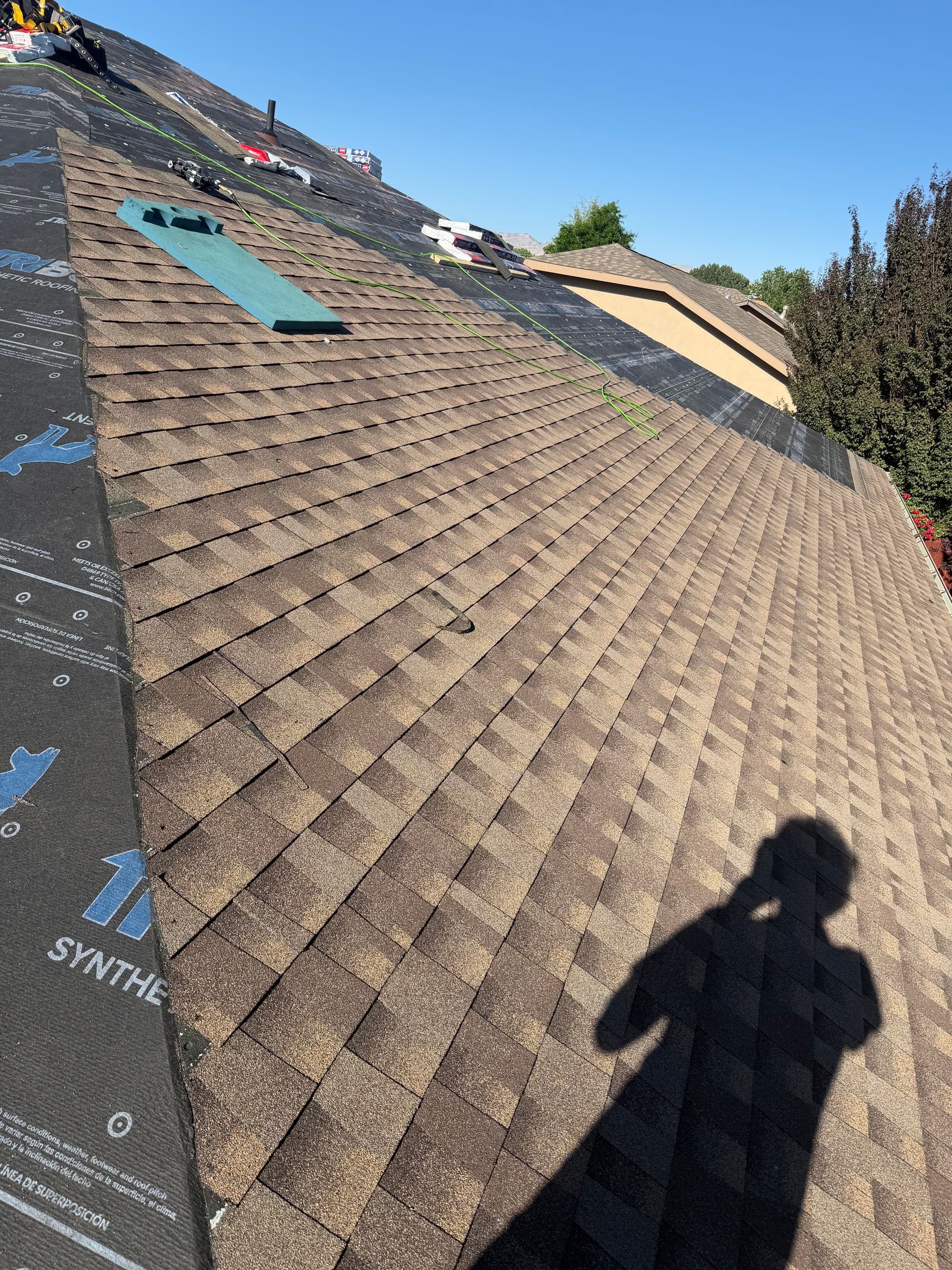
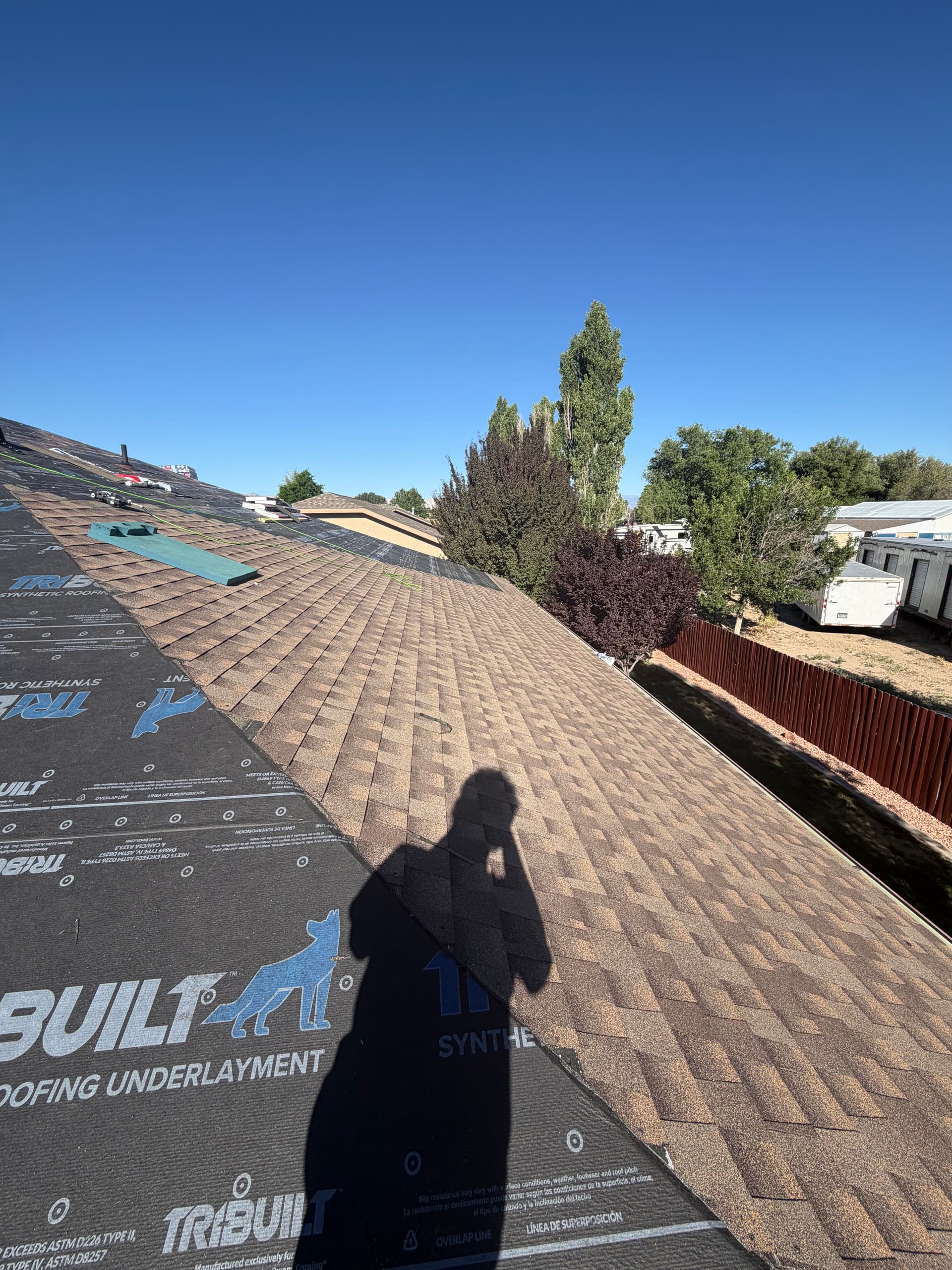
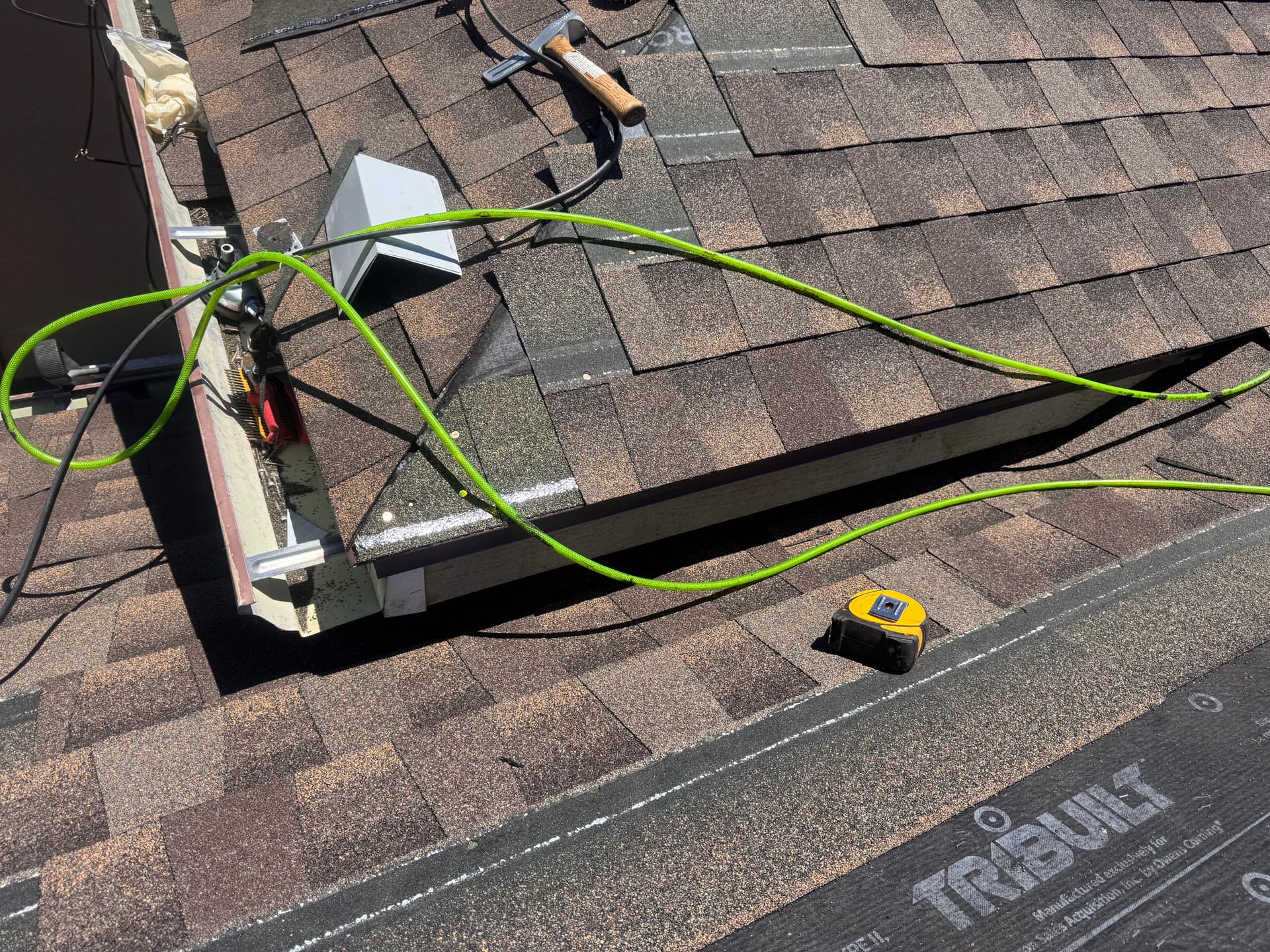
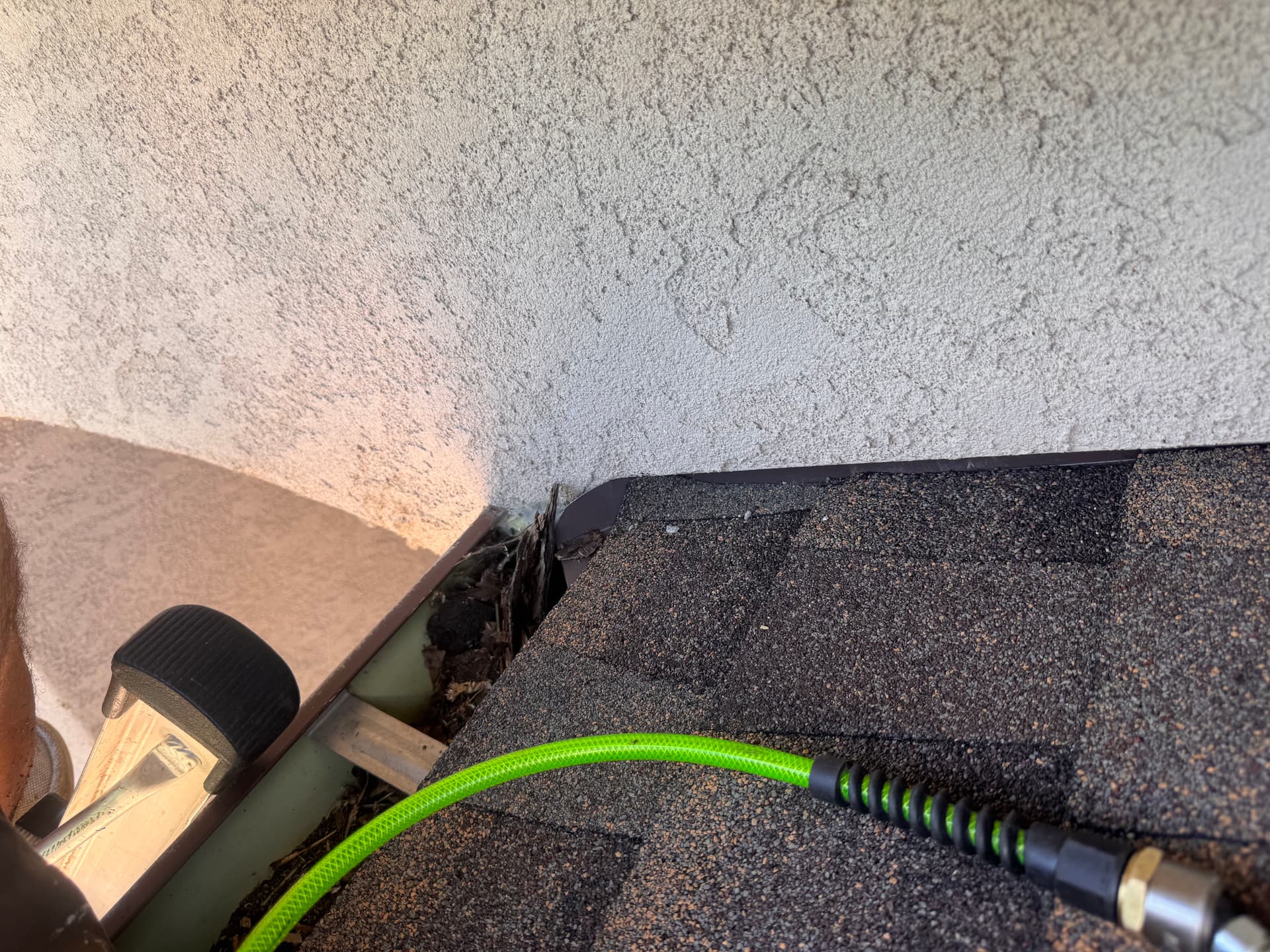
Most roofing crews nail down shingles and call it a day. The open slopes look fine - it's the tight spots that tell the real story. Wall intersections, corners, step flashing details - those are the areas that get skipped when a crew is more worried about speed than doing it right. That's exactly where water finds its way in.
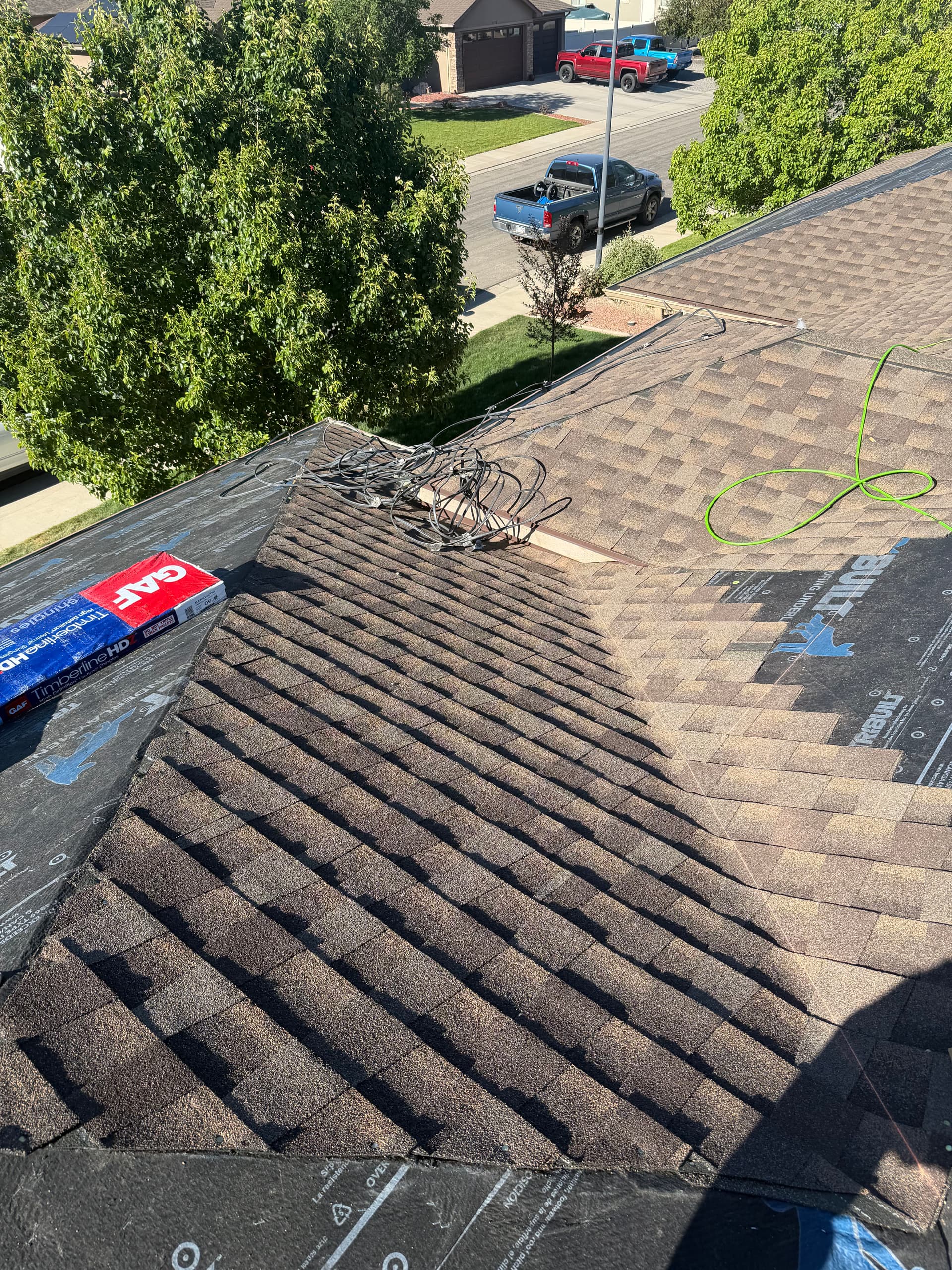
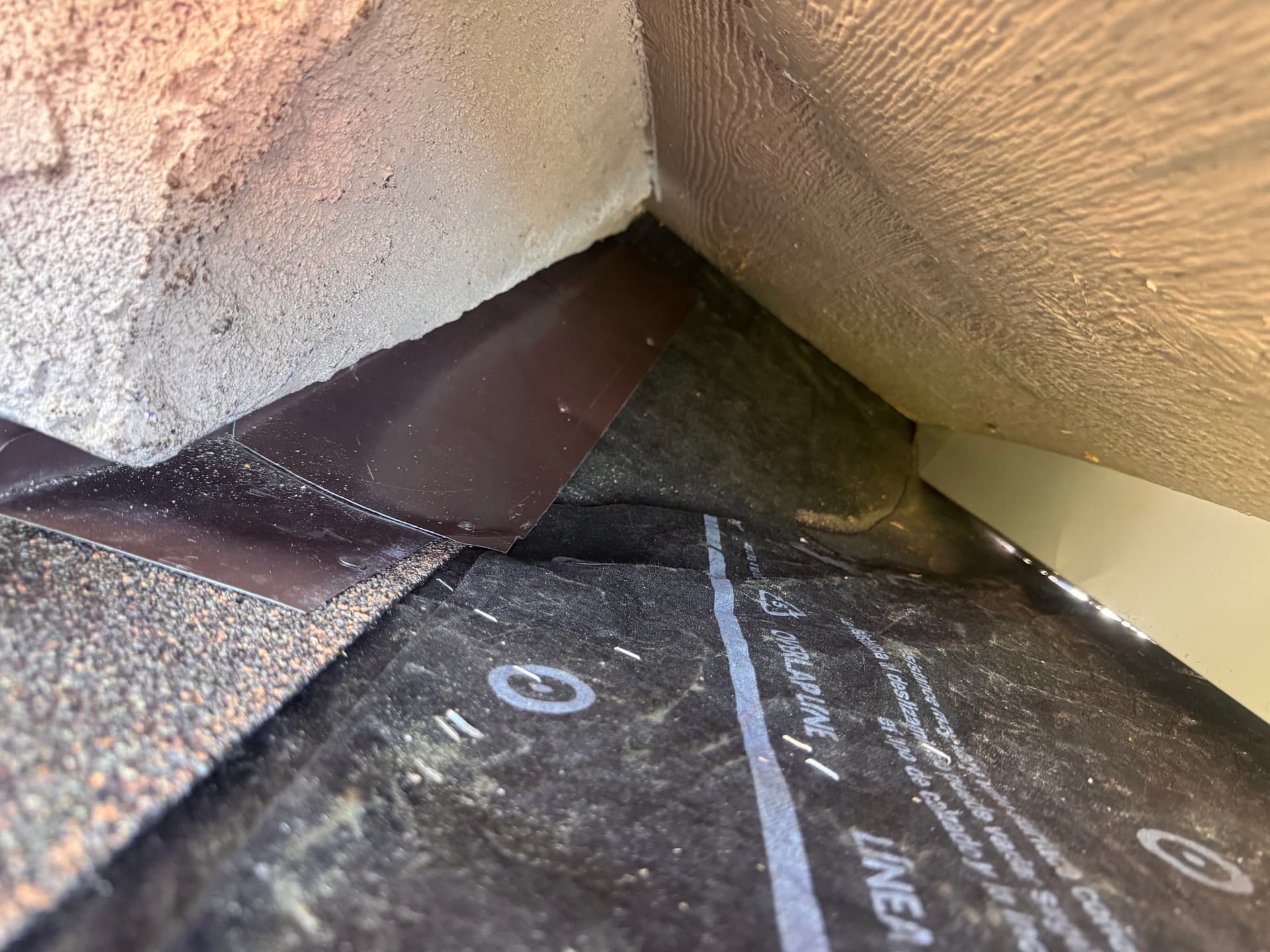
On this job, we took the time to work through every inch of the roof. The main slope went down clean using GAF Timberline HD shingles over TruBuilt synthetic underlayment - a solid combination that gives you both a quality finished product and a dependable moisture barrier underneath. But the part we want you to see is how we handled the transitions.
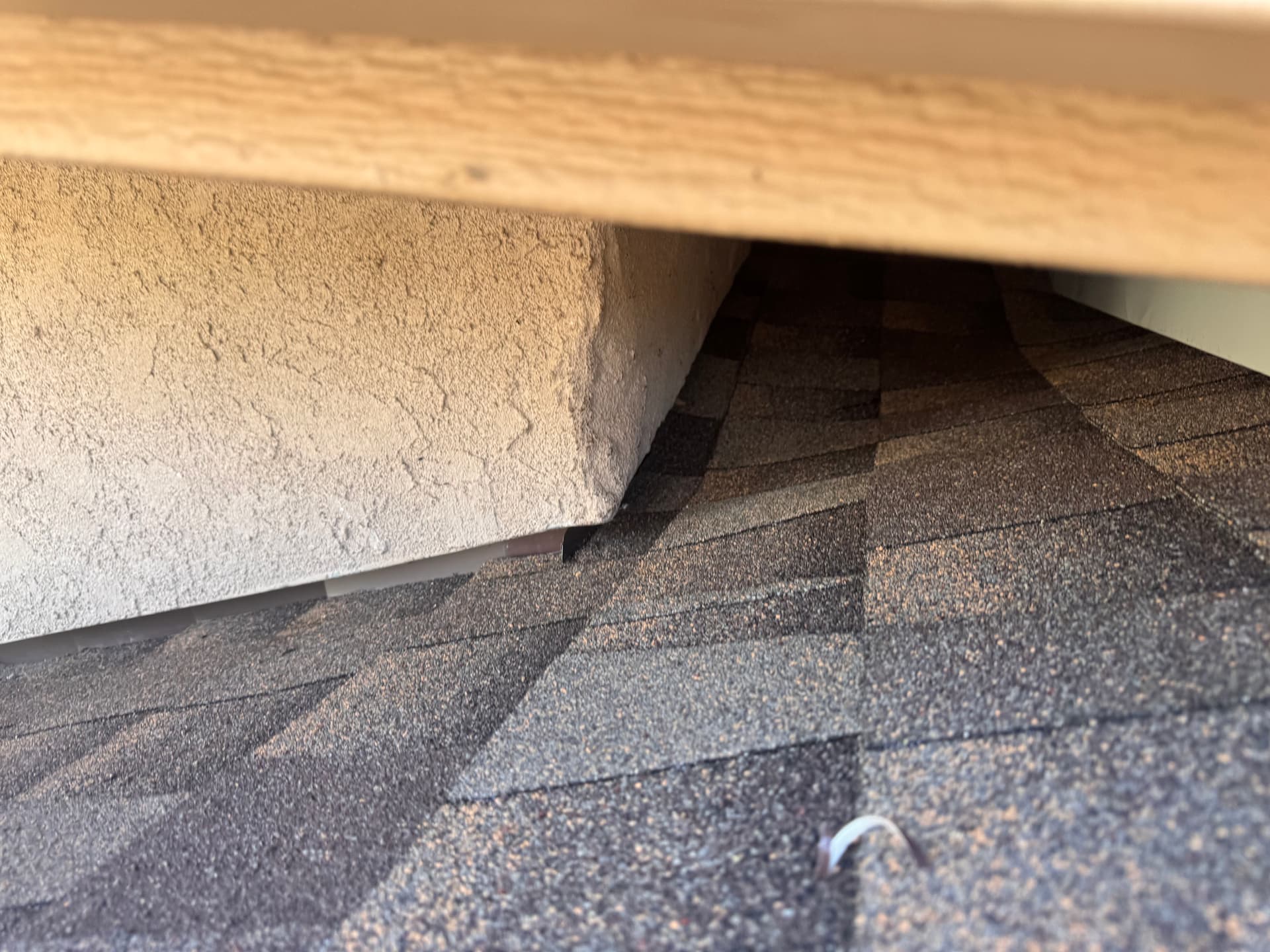
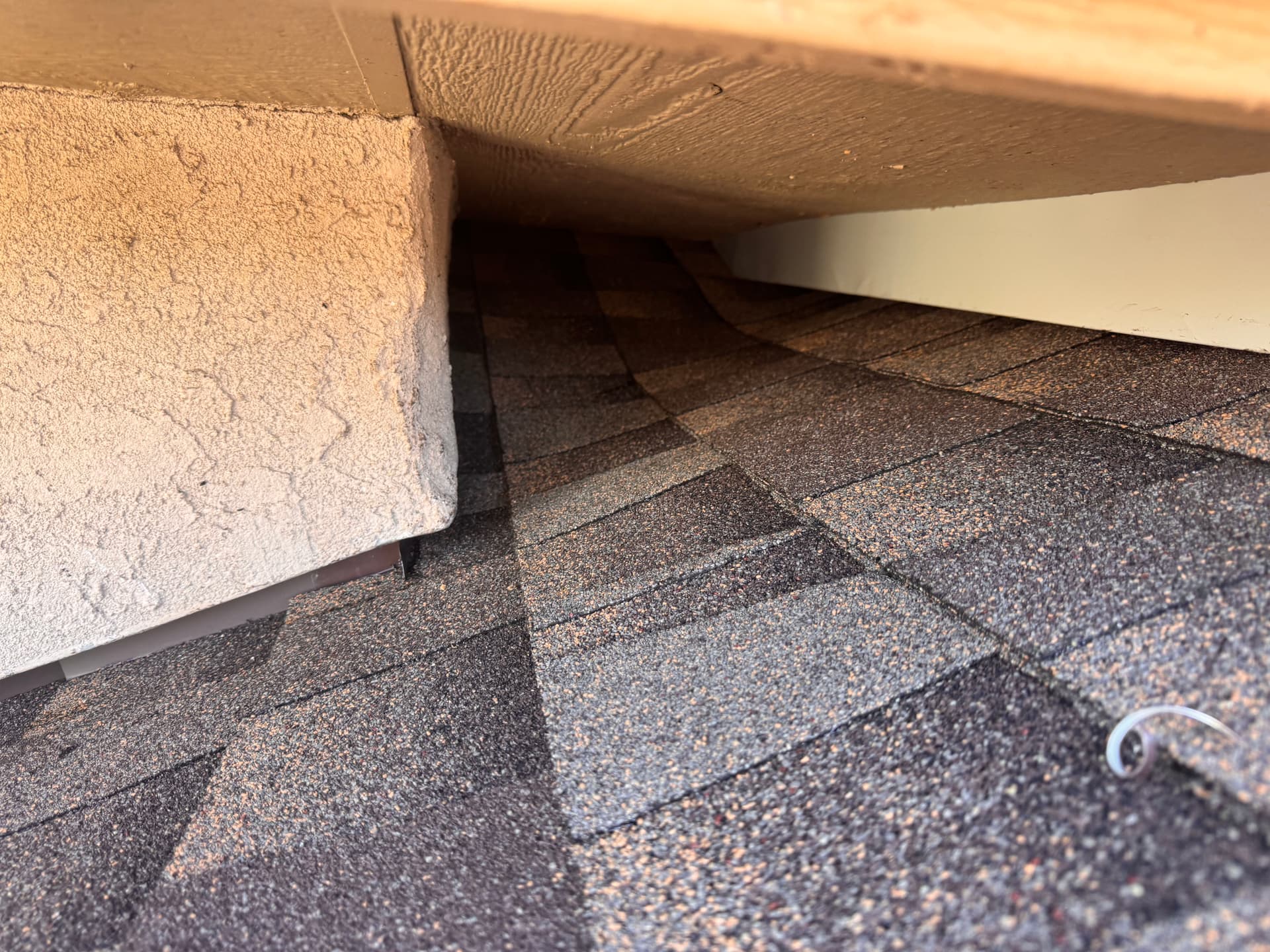
Anywhere the roof meets a wall, we fitted and set metal step flashing piece by piece. That corner flashing you can see tucked tight against the stucco - that's not something you skip or improvise. Done right, it channels water away from the wall connection and keeps it moving toward the edge of the roof where it belongs. Done wrong, or not done at all, and you're looking at water intrusion behind your walls.
That level of detail adds time to the job. We know that. But it's the kind of work that keeps your roof performing for years instead of causing headaches a season or two after installation. No mystery leaks. No callbacks. Just a roof that holds up the way it should.
Asphalt shingle roofing done right is about more than the shingles themselves. It's the underlayment, the flashing, the sequencing - every layer working together. That's the standard we hold ourselves to on every single roof we touch.